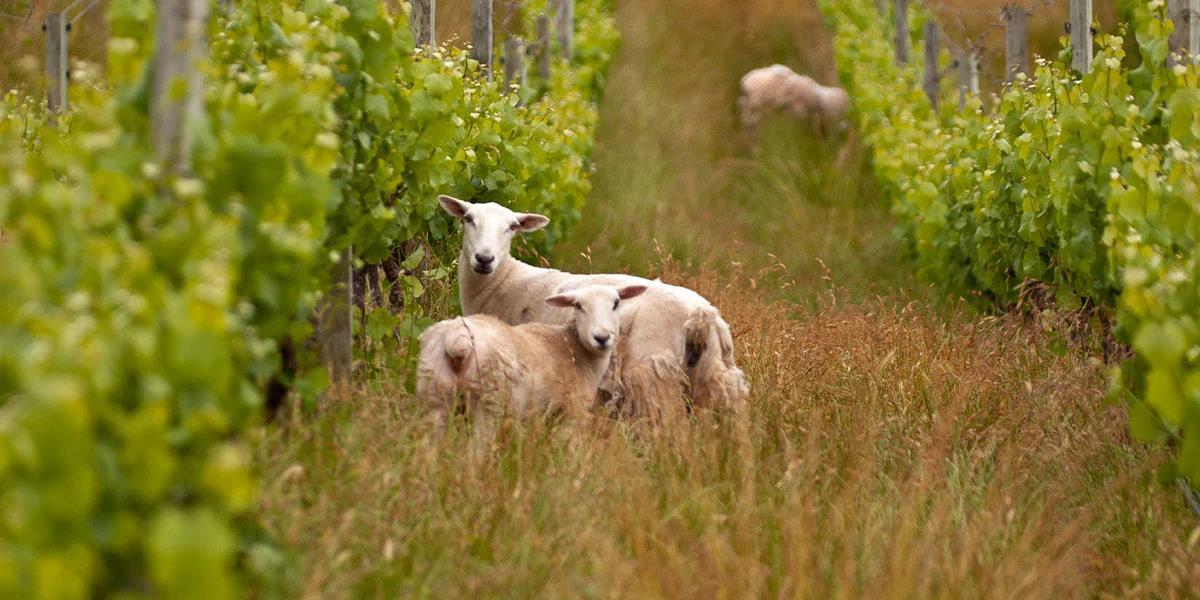
In today's hospitality industry, adopting "green" practices is no longer just a trend, but a crucial business strategy. For restaurants, hotels, and bars, the wine program presents a powerful, yet often overlooked, opportunity to showcase this commitment. This approach not only benefits the planet but also boosts profitability, attracts valuable customers, and strengthens the long-term viability of your beverage offerings.
Here's why sustainable wine is becoming the new standard for successful hospitality businesses.
1. Meeting Consumer Demand (and Their Willingness to Pay More)
Modern guests, especially younger demographics like Millennials and Gen Z, actively seek brands that align with their values. They prioritise environmental impact and ethical sourcing, and they're willing to spend more for it.
- Evidence: Studies consistently show a growing demand for natural, organic, and biodynamic wines. A significant percentage of consumers are prepared to pay a premium for eco-certified wines, viewing them as higher quality.
- The Opportunity: By featuring sustainable wines, you directly appeal to a highly motivated market segment eager to "trade up" for ethical choices. This can lead to an increase in your average check size and gross profit per bottle.
2. Enhancing the Guest Experience Through Engaging Stories
The key differentiator between conventional and sustainable wines lies in their story. In a world where guests value authentic and unique experiences, sustainable wines offer a narrative that mass-produced bottles simply can't match.
- The Connection: Your servers and sommeliers can become captivating storytellers, sharing details about the biodynamic farmer who follows the lunar calendar, the organic vineyard that supports native bees, or the winery that uses lightweight bottles to reduce its carbon footprint.
- The Outcome: A compelling story doesn't just sell a bottle of wine, it creates a memorable experience. This deepens the connection between the guest, the wine, and your establishment, fostering greater loyalty and positive reviews.
3. Building a More Resilient and Profitable Wine List
Prioritising sustainable and ethical sourcing brings immediate operational and financial benefits to your Food & Beverage program.
Superior Sourcing
Sustainability certifications (Organic, Biodynamic etc.) often involve working with smaller, quality-focused producers. While this may require a bit more sourcing effort, it results in a wine list that distinguishes itself from competitors.
- Unique Offering: Guests can find mass-market wines anywhere. By offering unique, high-integrity wines, you position your venue as a destination for quality and discovery.
- Better Value: Smaller, less-known sustainable regions often provide exceptional quality at a lower initial price point, allowing you to offer high-margin, high-value options to your guests.
Reduced Waste and Costs
The principles of sustainability extend beyond the vineyard and into your operations:
- Packaging Innovation: Actively sourcing wines with lighter-weight bottles or alternative packaging (such as kegs or cans for by-the-glass pours) significantly lowers inbound shipping costs and minimizes glass waste.
- Streamlined Training: Instead of memorisation of regions, your staff can be trained on compelling narratives (e.g., "This section features minimal-intervention, family-run wines"), making their knowledge more memorable and easier to sell.
4. Operational Checklist: Implementing the "Green is Gold" Strategy
Ready to transform your wine program from an inventory challenge into a profit center? Begin with these three steps:
-
Audit Your Sources (Prioritise Integrity) Look beyond the marketing buzzwords. Ask your suppliers and importers:
- What specific farming practices are used? (e.g., Organic, Biodynamic, practising minimal intervention).
- What is the winery's approach to packaging and waste? (e.g., Using lighter glass, recycling water).
-
Rewrite Your Wine List (Embrace Storytelling) Don't just list a sustainable wine; highlight it. Use clear, accessible icons and language:
- Use a leaf icon for Organic.
- Add a one-sentence story for your staff's favourite sustainable bottle.
- Group wines by ethos, not just region (e.g., "Wines of Conscience").
-
Train Your Team (The Ambassador Effect) Your staff are your frontline representatives. Empower them with confidence:
- Conduct short, engaging training sessions on the differences between organic, biodynamic, and sustainable wines.
- Incentivize them to sell wines with the best stories. A passionate staff member is your most effective marketing tool.
The Future of Hospitality is Ethical. Is Your Wine List Keeping Up?
The most successful hospitality programs seamlessly combine exceptional guest experiences with operational integrity. By committing to sustainable wine, you achieve both: reducing your environmental footprint while increasing your profit margins.
Don't let your competitors capture the high-value, eco-conscious diner before you do. Ready to transform your wine cellar into a profit-driving, sustainable asset?
JNSN Hospitality Partners specializes in F&B program audits and staff training. Contact us today for a complimentary 30-minute assessment of your current wine list and a personalized strategy to embrace the "Green is the New Gold" movement.
— Kenyalyn Oddenyo
~ JNSN Project Lead and Wine Expert